
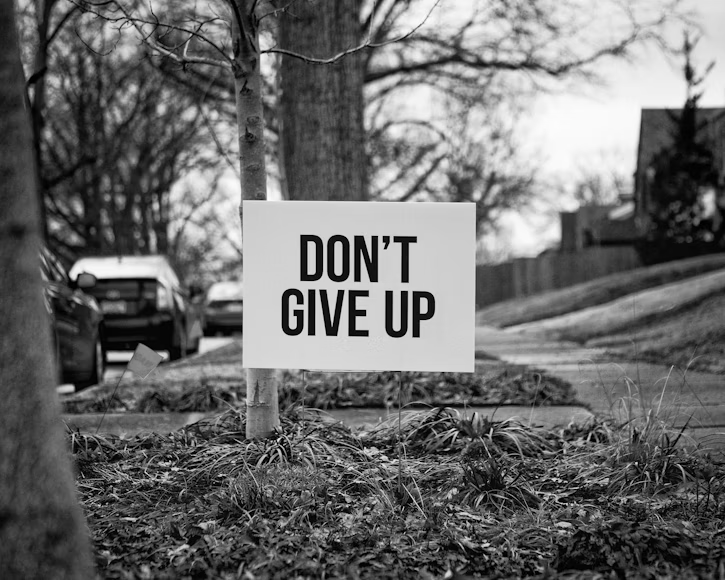
Your mindset affects how recovery goes. Having a positive and hopeful attitude can help you face challenges more calmly and with confidence.
Being open to change and willing to grow makes hard moments easier to handle. It also helps improve your mental and emotional health over time.
Research shows that a flexible mindset helps you see setbacks as lessons, not failures. This way of thinking makes it easier to keep going and stay motivated when things get tough.
Mindset doesn’t just affect how you feel each day. It shapes how you handle stress, make choices, and move forward in recovery and in life.
Recognising Limiting Beliefs and Self-Doubt
Limiting beliefs can quietly stop progress in recovery, making healing feel impossible. Some people end up telling themselves that addiction is a personal flaw, or worse, that they are simply incapable of change. This way of thinking can trap someone in a loop of self-criticism, feeding into guilt, shame, and the sense that they don’t deserve a fresh start.
Self-doubt is another frequent visitor during recovery. It often shows up after setbacks or failed attempts, whispering that relapse is bound to happen and convincing people that they’re fighting a losing battle. As this doubt grows, it drains motivation for recovery and chips away at confidence. The weight of this thinking can lead to low moods and increased anxiety, making each step towards improvement feel heavier than it should.
Staying stuck in these beliefs can create patterns that are hard to break. But becoming aware of these thoughts is a gentle first step towards change. Replacing old stories with self-compassion and allowing yourself to believe in the chance to recover can open up new possibilities and make long-term healing feel more realistic.
Cultivating a Growth Mindset for Recovery
Believing your abilities can never change makes recovery much harder. This mindset invites fear of failure and leads to avoiding anything that feels risky or unfamiliar, while guilt and shame often come along for the ride. The result? People withdraw from help and get stuck, making progress feel out of reach.
But if you see that strengths can grow with effort, you’re more likely to stick with challenges and bounce back after setbacks. Seeing obstacles as ways to learn fuels resilience, not defeat.
Making this mental switch starts with noticing harsh self-talk and challenging those “I can’t” stories. Swap out negative scripts for supportive affirmations. Try telling yourself, “I can work through this, even if it takes time,” instead of, “I’ll always be stuck in this pattern.” Setbacks become lessons, not proof that you’re failing. Look at what triggered each stumble, pick out the learning, and think about how you’ll handle things differently next time.
Treat yourself kindly as you make this shift. Remind yourself that everyone struggles along the way. Having a supportive group of friends, family, or others on a similar journey can make a real difference; their encouragement can keep you motivated and give you that extra push, making recovery a shared experience rather than something you face alone.
Break your goals into smaller steps. Celebrate each achievement, no matter how minor it may seem, as every bit of progress builds confidence. Keep showing up for yourself. Changing long-held beliefs isn’t quick work, but with patience and steady effort, a growth mindset can help pave the way for lasting recovery.
The Role of Self-Empowerment and Self-Love
Self-love can be one of the most powerful forces in recovery, quietly shifting how you see yourself and what you expect from the future. When you start to feel a sense of worth and truly believe you can change, it helps unravel the deep-rooted doubts and feelings of not being good enough that often come with addiction.
Taking steps to boost self-empowerment can really help break old patterns. Something as simple as repeating daily phrases such as, “I am worthy and deserving of recovery,” or “I have the strength to change,” may sound cheesy at first, but these words genuinely start to reshape old, unhelpful thought habits. Over time, this kind, positive self-talk softens harsh inner criticism, making space for optimism and new possibilities.
Shifting your mental habits is about more than just moving past addiction. It’s a way of discovering your own strength and building a hopeful outlook for what comes after the struggle. Choosing new thoughts each day and gently challenging self-doubt gives you more control over the direction of your recovery.
Bringing these small practices into your life each day can lead to real change. As belief in yourself grows, so does the chance for lasting healing—making recovery feel much more within reach.
The Connection Between Mindset and Emotional Healing
How you approach life’s challenges has a real impact on your emotional resilience. If you’re able to view stress as a chance to learn, not a personal disaster, it becomes much easier to handle setbacks without being knocked off course. In fact, research shows that people who keep a hopeful, constructive outlook are often better equipped to bounce back and grow from adversity.
Therapies like cognitive-behavioural therapy (CBT) and mindfulness play a big part in supporting these mindset shifts. CBT gets you to spot unhelpful thought patterns, question them, and try out more supportive ways of thinking. This isn’t about pretending everything’s perfect—it’s about developing responses to distress that are kinder and more useful.
Mindfulness, meanwhile, focuses on tuning in to your thoughts and feelings with openness and patience. It teaches you to sit with discomfort, rather than rush to fix or judge it. Over time, this can help you stay steadier in stressful moments and get to know your emotional landscape without fear.
Both CBT and mindfulness can boost your ability to handle tough emotions and, surprisingly, even improve things like blood pressure and heart health. These approaches highlight just how important your way of thinking is—not only for emotional strength but for physical wellbeing too.
Practical Strategies for Sustained Recovery
Building resilience with practical strategies such as mindfulness and regular self-care can be a game changer for ongoing recovery. Mindfulness simply means paying attention to the present moment; this can ease stress, help manage tricky emotions, and even shift how the brain handles anxiety. When you practise regularly, mindfulness becomes a very handy skill, letting you ride out cravings and tough moments without turning to old habits.
Daily self-care routines are equally important. Think along the lines of going for a walk, eating nutritious meals, sleeping enough, or making time for activities that make you feel good. These habits bring some calm and help create a sense of order, which can be a lifeline if you’re feeling wobbly. Sticking to a daily rhythm gives recovery plans more staying power and lessens the risk of setbacks.

Getting help from others makes all the difference too. Whether it’s talking with a mentor, joining a support group, or attending therapy sessions, these connections bring both encouragement and accountability. Participating in group therapy discussion topics for substance abuse recovery can be especially beneficial in sharing experiences, gaining practical advice, and finding emotional support. Professional support can also help you find new ways to handle stumbling blocks and make the process less isolating. Having people to offer a nudge when you need it, and to celebrate your wins, builds up hope and confidence on the journey.
Blending mindfulness, self-care, and strong support from others gives your recovery much firmer foundations. This balanced approach not only builds resilience but also brings more stability, making ongoing recovery feel that bit more achievable.
Harnessing a Positive Mindset for Long-Term Wellness
Feeling good isn’t just a nice bonus—positive emotions are genuinely linked to living longer and feeling healthier. When a cheerful mood takes the driver’s seat, everyday struggles can look less like roadblocks and more like chances to grow. Science backs this up, showing positive emotions can give your immune system a lift, help keep blood pressure in check, and even lower the risk of heart disease.
What’s really interesting is how these emotions open up your thinking, making it easier to deal with pressure and setbacks. According to psychologist Barbara Fredrickson, it’s helpful to experience three uplifting emotions for every one negative. This boosts your ability to bounce back, counters our usual tendency to focus on what’s going wrong, and builds a more balanced, resilient frame of mind.
Keeping a positive mindset has benefits far beyond getting through bad days. Optimism nudges people to make healthier choices, which adds up over time. It also grows your belief in yourself, making it easier to tackle goals and manage stress when life gets a bit much.
Simple habits like jotting down things you’re grateful for or taking a few quiet moments for mindfulness can make a real difference. These acts actually activate happy pathways in the brain, helping you feel more resilient and keeping you motivated to keep moving forward. By building a hopeful outlook, you’re not just finding ways to handle life’s twists and turns—you’re also setting yourself up for lasting health and contentment.